Facebook Dating’s Secret Crush is a shortcut to something most adults know well: the thrill of having a crush and the fear of being obvious about it. Launched in 2019, the feature lets you discreetly list friends or Instagram followers you’re interested in and only reveals identities when feelings are mutual. That promise of anonymity makes Secret Crush uniquely low-risk — if you use it smartly. This article explains exactly how Secret Crush works, the privacy caveats, and — most importantly — step-by-step, practical ways to use it so you avoid awkwardness, drama, or embarrassment.
Quick overview: what Secret Crush is (and what it isn’t)
- What it does: Secret Crush lets you add up to nine Facebook friends or Instagram followers to a private list. If one of those people is also using Facebook Dating and adds you back, both of you are notified and matched. If they don’t add you, your crush remains anonymous.
- What it isn’t: It’s not a public callout. People don’t see you on a list unless there’s a mutual match. It’s not a tool to publicly shame or expose someone’s feelings.
Knowing these two facts is the first step to using the feature with confidence: anonymity is the default, not the exception. But anonymity depends on the other person being in Dating (or adding you), so it’s not a magical “nobody will ever know” button.
How Secret Crush works — step by step
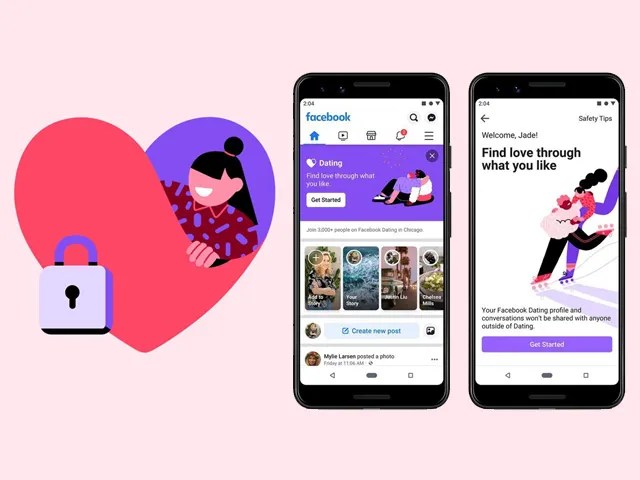
- Open Facebook and go to Dating (found inside the Facebook app). Create a Dating profile if you haven’t already.
- Tap Secret Crush and choose people from your Facebook friends or Instagram followers. You can add up to nine people.
- If one of your crushes is also on Facebook Dating and adds your name to their Secret Crush list, Facebook reveals the match to both of you. If they are not on Dating, they will receive a notification only if they join Dating and you’ve listed them. Otherwise, nothing happens.
Practical takeaway: you can add people who aren’t using Dating — but they only learn about it if they later join. That’s how Facebook preserves “secrecy” unless feelings are mutual.
Privacy & safety: what the platform does (and what to watch for)
- Data handling: Facebook/Meta uses a lot of your platform data to run Dating and suggest matches. While Secret Crush identities remain hidden unless matched, your activity and profile details are still processed by Meta’s systems. If you’re concerned about broad data use, consider the privacy trade-offs before listing people.
- Notifications & confusions: People sometimes get notifications about “a friend added you as a Secret Crush” — even if they’re not using Dating. This can be confusing and has led to social friction in the past. Facebook’s Help Center clarifies that notifications are only sent in certain cases, but third-party posts and threads indicate confusion persists.
- Abuse risk: Like any social feature, Secret Crush can be misused (pranking, spam, or targeted attention). If you feel harassed, use Facebook’s reporting and blocking functions immediately.
Bottom line: Secret Crush is designed to be safe, but platform design and real-world social dynamics mean you should still behave responsibly and protect your boundaries.
How to use Secret Crush without embarrassment — 12 practical rules
- Only add people you genuinely like. Don’t use the list to “test” lots of acquaintances or to game attention. It’s less awkward if your choices are sincere.
- Avoid adding people in complicated relationships. Skip anyone who’s clearly in a committed relationship, in your team’s reporting chain at work, or whose involvement could create workplace drama.
- Check your intent before you add. Ask yourself: do I want a relationship, a date, or just ego validation? If it’s the last one, don’t add them.
- Don’t expect immediate confirmation. If your crush isn’t on Dating, they won’t know — and it might stay that way. Don’t build plans around an immediate match.
- Use subtle, non-accusatory follow-ups after a match. If you get matched, lead with curiosity and warmth (scripts below). Avoid dramatic reveals or “I’ve wanted you forever” proclamations.
- Save your most volatile crushes for in-person conversation. If feelings are intense and you care about the existing friendship, consider sharing in person rather than via an app mechanic.
- Don’t put coworkers/bosses on the list. Workplace romances can go sideways. If it’s a colleague, evaluate organizational policies and power dynamics first.
- Mind cultural norms. In some cultures, being “outed” as a crush can carry heavy consequences. Be conservative in those contexts.
- Don’t cram the list with half-jokes. Adding someone as a joke can lead to hurt feelings if they become aware of it later.
- Check your Instagram followers. The feature allows Instagram followers too — that can pull in people you only know online. Think twice before adding anyone you know only from comments or post interactions.
- Prepare for both outcomes. Have a plan for “matched” and “not matched.” If matched: celebrate subtly and propose a friendly date. If not matched: treat it like a compliment and move on.
- Respect boundaries if they don’t reciprocate. Don’t pester, beg, or repeatedly message someone who doesn’t respond positively.
Scripts: what to say (and what not to say)
If you get a match, here are short, low-pressure conversation openers that reduce embarrassment:
- Good: “Hey — I’m glad we matched. Would you like to grab coffee this weekend?”
- Good: “Nice to meet you here! I’ve always enjoyed your [interest post/photo]. Want to continue the conversation over a drink?”
- Avoid: “I’ve liked you for years, why didn’t you notice me?” (too intense and puts pressure).
- Avoid: “Why didn’t you add me back?” (guilting someone is never attractive).
If you don’t match but you learn someone added you (because they joined Dating and you’re notified), a neutral, kind response is best:
- “Wow, that’s flattering. I’m flattered — thanks!”
- Or simply do nothing; treat it as a compliment and move on.
If you’re notified but they’re not on Dating — what that means
Sometimes people report receiving notifications that “a friend added you as a Secret Crush” even when they aren’t using Dating. Often this happens because the other person added them and later joins Dating, triggering the notification. It’s an awkward edge-case but it’s not Facebook broadcasting your name to the world. Handle such notifications calmly; don’t confront publicly.
What to do if Secret Crush goes wrong
- Got an unwanted match or attention? Block and report. Use Facebook’s safety tools. Facebook
- Awkward social fallout with friends? Apologize briefly if you caused pain, explain intent, and move forward. Owning a small mistake is less embarrassing than pretending nothing happened.
- If your crush shares the news publicly (rare): keep your response private and dignified. Public drama rarely builds healthy relationships.
Alternatives & complementary approaches
Secret Crush is useful when you want low-risk signaling. But sometimes an honest, private message or a face-to-face conversation is a better choice — especially when you already have a close friendship and want to preserve it. For less risky signaling, consider:
- Liking a few posts and leaving thoughtful comments (signals interest without dramatic reveal).
- Sending a casual DM that opens with a neutral topic, then pivoting to “would you like to hang out sometime?”
- Using mutual friends to arrange group hangouts where you can test chemistry in person.
Final checklist before you hit “Add”
- Is this person single and not in a complicated situation?
- Am I adding them because I want a real connection (not ego)?
- Would I be okay if they never found out?
- Am I prepared for both outcomes (match or radio silence)?
- Do I understand the privacy trade-offs of using Facebook Dating? (If not, check the Help Center.)
Closing: use it like a subtle wingman, not a loudspeaker
Secret Crush is one of the kinder features Facebook added to dating: it reduces the risk of embarrassment by keeping things anonymous until feelings are mutual. Use it deliberately — not as a game — and pair it with good judgment, respect, and a calm approach to outcomes. When you treat the feature like a subtle wingman rather than a grand reveal, you maximize the chances of a pleasant, low-drama result.